Highest horticultural quality and experience since 1897
Dracula
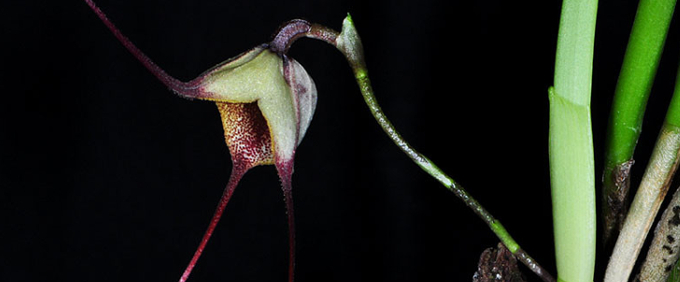
The genus Dracula gets its name from its bizarre-looking flower. The flowers are beautiful but extremely sensitive.
The flower stems of this genus, originally from South America, grow mostly down through the orchid substrate. It makes sense to plant Dracula in lattice pots or wooden baskets. As a soil peat fiber, sphagnum moss but also loose bark substrate is suitable. It is important that you create a evenly moist environment for the roots.
Special orchid care instructions for Dracula (Drac)
The optimal location for Dracula is a north or east window of a cooler domestic area. In summer, a shady outdoor area is also suitable. Summer temperatures should not exceed 30 °C. In winter, 15 to 20 °C are ideal. A weak fertilizer is needed from March to October. In the dark season from November to December should not be fertilized.
Shop By
Filter
- Price
- flower season
- light/location
- temperature
Dracula
The genus Dracula gets its name from its bizarre-looking flower. The flowers are beautiful but extremely sensitive.
The flower stems of this genus, originally from South America, grow mostly down through the orchid substrate. It makes sense to plant Dracula in lattice pots or wooden baskets. As a soil peat fiber, sphagnum moss but also loose bark substrate is suitable. It is important that you create a evenly moist environment for the roots.
Special orchid care instructions for Dracula (Drac)
The optimal location for Dracula is a north or east window of a cooler domestic area. In summer, a shady outdoor area is also suitable. Summer temperatures should not exceed 30 °C. In winter, 15 to 20 °C are ideal. A weak fertilizer is needed from March to October. In the dark season from November to December should not be fertilized.
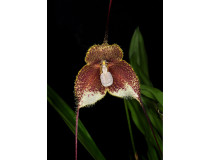
Dracula astuta
- flower season: whole year
- temperature: cool - moderate (12 - 18 °C)
- Mehr Details
Price*:
€34.90
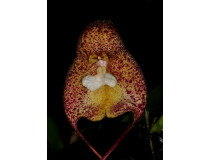
Dracula bella (in Orchitop)
- flower season: winter - spring
- temperature: cool (10 - 16 °C)
- Mehr Details
Price*:
€64.90

Dracula citrina (im Orchitop)
- flower season: whole year
- temperature: cool (10 - 16 °C)
- Mehr Details
Price*:
€64.90
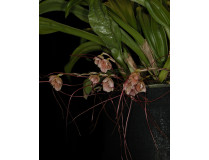
Dracula decussata
- flower season: spring - summer
- temperature: moderate (16 - 20 °C)
- Mehr Details
Price*:
€29.90

Dracula erythrochaete (im Orchitop)
- flower season: spring - summer
- temperature: cool (10 - 16 °C)
- Mehr Details
Price*:
€59.90

Dracula felix
- flower season: spring - summer
- temperature: cool (10 - 16 °C)
- Mehr Details
Price*:
€64.90
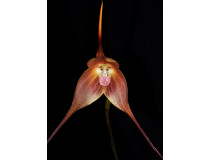
Dracula gigas (in Orchitop)
- flower season: spring - summer
- temperature: cool (10 - 16 °C)
- Mehr Details
Price*:
€64.90

Dracula houtteana
- flower season: spring - summer
- temperature: cool (10 - 16 °C)
- Mehr Details
Price*:
€44.90
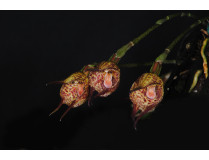
Dracula mopsus
- flower season: winter - spring
- temperature: cool - moderate (12 - 18 °C)
- Mehr Details
Price*:
€38.90
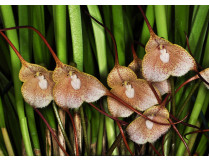
Dracula navarroorum
- flower season: spring
- temperature: cool (10 - 16 °C)
- Mehr Details
Price*:
€34.90
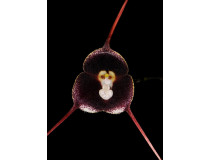
Dracula pholeodytes (im Orchitop)
- flower season: summer - autumn
- temperature: cool (10 - 16 °C)
- Mehr Details
Price*:
€59.90
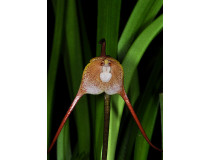
Dracula psittacina
- flower season: summer - autumn
- temperature: cool (10 - 16 °C)
- Mehr Details
Price*:
€32.90
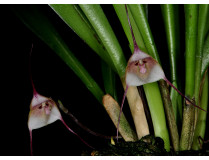
Dracula sergioi
- flower season: spring
- temperature: cool (10 - 16 °C)
- Mehr Details
Price*:
€32.90
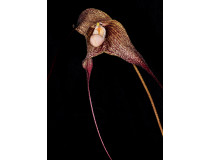
Dracula severa
- flower season: winter - spring
- temperature: cool - moderate (12 - 18 °C)
- Mehr Details
Price*:
€45.90
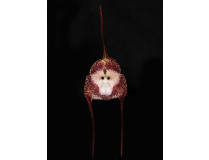
Dracula simia (im Orchitop)
- flower season: winter - spring
- temperature: cool - moderate (12 - 18 °C)
- Mehr Details
Price*:
€64.90
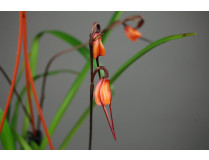
Dracula sodiroi
- flower season: autumn winter
- temperature: cool - moderate (12 - 18 °C)
- Mehr Details
Price*:
€38.90

Dracula tubeana
- flower season: whole year
- temperature: cool (10 - 16 °C)
- Mehr Details
Price*:
€45.90
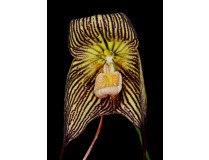
Dracula vampira (im Orchitop)
- flower season: whole year
- temperature: cool (10 - 16 °C)
- Mehr Details
Price*:
€64.90
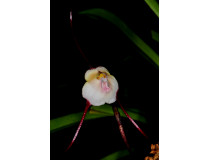
Dracula velutina
- flower season: winter - spring
- temperature: cool (10 - 16 °C)
- Mehr Details
Price*:
€36.90

Dracula venosa
- flower season: summer - autumn
- temperature: cool (10 - 16 °C)
- Mehr Details
Price*:
€34.90
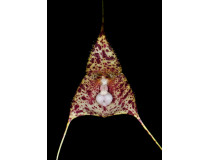
Dracula vespertilio
- flower season: autumn winter
- temperature: cool (10 - 16 °C)
- Mehr Details
Price*:
€45.90
 ... to newsletter subscription
 ... to see all economy sets
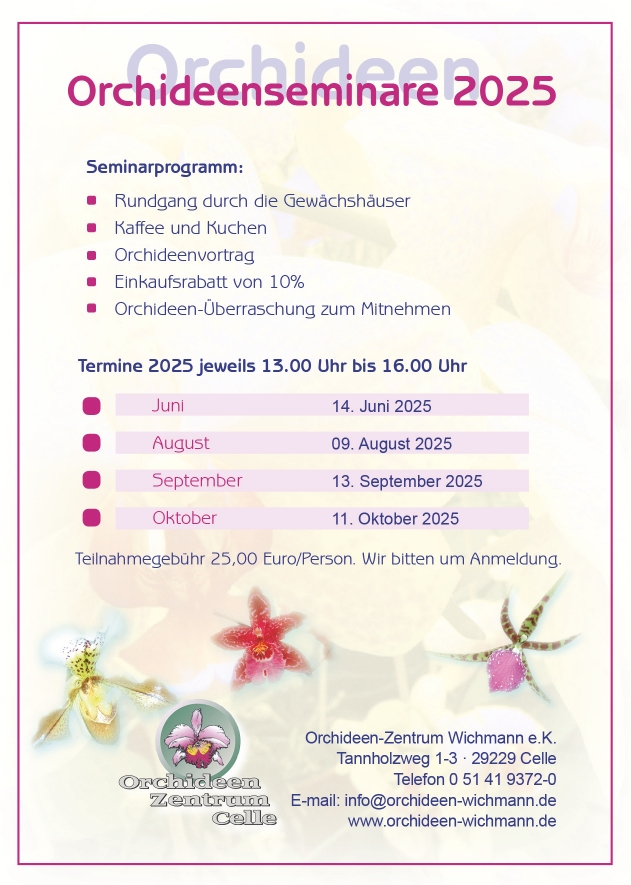
Orchideen-Zentrum Wichmann e.K.
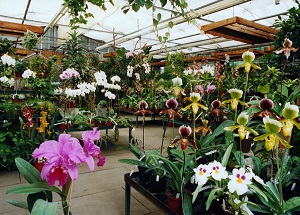
Orchideen-Gartencenter
Tannholzweg 1 - 3
29229 Celle - OT Groß Hehlen
info@orchideen-wichmann.de
| Mon | closed |
| Tue - Fri | 10 am - 5.pm |
| Sat | 10 am - 2 pm |
| So. | 10 am - 12 pm |
Free tour every first Sunday of the month at 10:00 am

News
Our Warranty
 |
 |
 |
 |