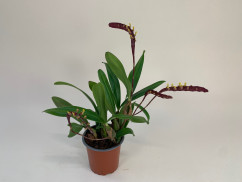
Highest horticultural quality and experience since 1897
Coelogyne
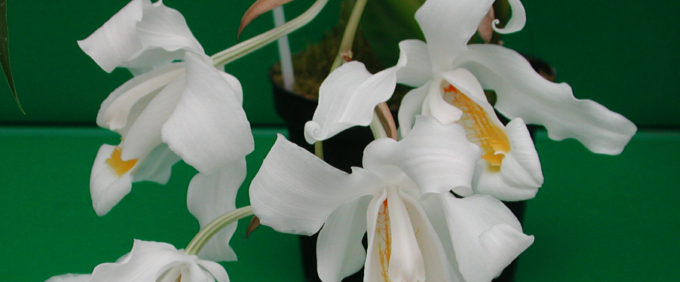
Elegant - sometimes delicate and sometimes large-flowered, Coelogyne are the coveted collector's orchid. Most species are white or at least pale flowered.
The origin of the approximately 200 species extends over the entire Pacific Rim, the Himalayas and the Southeast Asia. Due to the widespread distribution, you have to divide this genus into three groups if you want to fathom their claims. Group 1: around Coelogyne speciosa, Group 2: around Coelogyne massangeana and Group 3: around Coelogyne cristata.
Special orchid care instructions for Coelogyne
All of three groups like it bright all year round. Fertilizing should be done every 14 days only during the growth period in the brighter season. Group 1 should be kept evenly moist and warm (20 - 25 °C). Group 2 must be cultivated at a temperature of 15 - 20 °C and must be kept moist, especially in summer. Group 3 likes it as cool as possible and humid only in summer. In winter you should nearly no longer pour without the bulbs excessively shrivel.
Shop By
Filter
- Price
- Manufacturer
- flower season
- light/location
- temperature
Coelogyne
Elegant - sometimes delicate and sometimes large-flowered, Coelogyne are the coveted collector's orchid. Most species are white or at least pale flowered.
The origin of the approximately 200 species extends over the entire Pacific Rim, the Himalayas and the Southeast Asia. Due to the widespread distribution, you have to divide this genus into three groups if you want to fathom their claims. Group 1: around Coelogyne speciosa, Group 2: around Coelogyne massangeana and Group 3: around Coelogyne cristata.
Special orchid care instructions for Coelogyne
All of three groups like it bright all year round. Fertilizing should be done every 14 days only during the growth period in the brighter season. Group 1 should be kept evenly moist and warm (20 - 25 °C). Group 2 must be cultivated at a temperature of 15 - 20 °C and must be kept moist, especially in summer. Group 3 likes it as cool as possible and humid only in summer. In winter you should nearly no longer pour without the bulbs excessively shrivel.
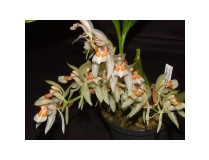
Coelogyne assamica
- flower season: summer - autumn
- temperature: cool - moderate (12 - 18 °C)
- Mehr Details
Price*:
€19.90
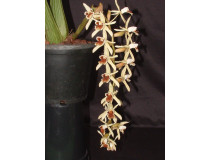
Coelogyne Brymeriana
- flower season: autumn winter
- temperature: cool (10 - 16 °C)
- Mehr Details
Price*:
€144.90
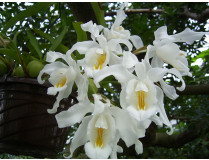
Coelogyne cristata
- flower season: winter - spring
- temperature: cool (10 - 16 °C)
- Mehr Details
Price*:
€21.90
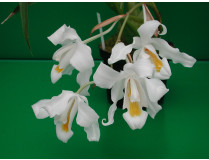
Coelogyne cristata 'citrina'
- flower season: winter - spring
- temperature: cool (10 - 16 °C)
- Mehr Details
Price*:
€21.90
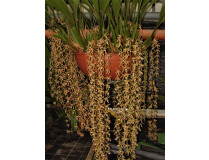
Coelogyne dayana
- flower season: winter
- temperature: cool (10 - 16 °C)
- Mehr Details
Price*:
€89.90
€74.90
-16 % 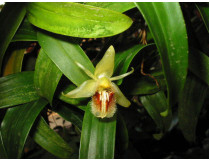
Coelogyne fimbriata (blühstark, nicht in Knospe / Blüte)
- flower season: autumn
- temperature: cool - moderate (12 - 18 °C)
- Mehr Details
Price*:
€18.90
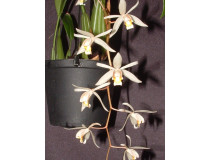
Coelogyne flaccida
- flower season: summer
- temperature: cool - moderate (12 - 18 °C)
- Mehr Details
Price*:
€19.90
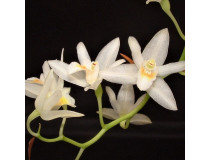
Coelogyne flexuosa
- flower season: spring - summer
- temperature: moderate - warm (18 - 22 °C)
- Mehr Details
Price*:
€24.90
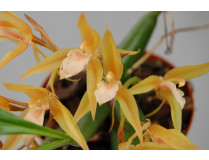
Coelogyne fuscescens
- flower season: winter
- temperature: cool (10 - 16 °C)
- Mehr Details
Price*:
€26.90
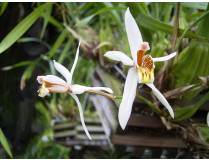
Coelogyne graminifolia
- flower season: summer - autumn
- temperature: cool - moderate (12 - 18 °C)
- Mehr Details
Price*:
€18.90
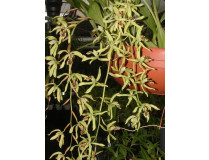
Coelogyne Green Dragon 'Chelsea'
- flower season: spring - summer
- temperature: warm (20 - 24 °C
- Mehr Details
Price*:
€144.90
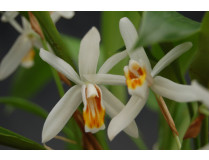
Coelogyne huettneriana
- flower season: spring - summer
- temperature: cool - moderate (12 - 18 °C)
- Mehr Details
Price*:
€21.90

Coelogyne lawrenceana
- flower season: autumn winter
- temperature: cool (10 - 16 °C)
- Mehr Details
Price*:
€18.90
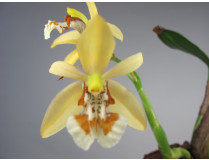
Coelogyne lentiginosa
- flower season: spring
- temperature: cool - moderate (12 - 18 °C)
- Mehr Details
Price*:
€49.90
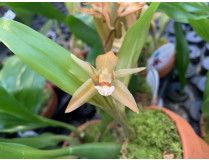
Coelogyne lentiginosa x monilirachis
- flower season: winter - spring
- temperature: cool - moderate (12 - 18 °C)
- Mehr Details
Price*:
€16.90
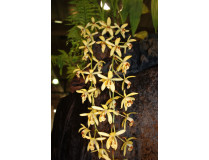
Coelogyne massangeana
- flower season: summer - autumn
- temperature: cool - moderate (12 - 18 °C)
- Mehr Details
Price*:
€36.90

Coelogyne multiflora (blühstark)
- flower season: winter
- temperature: cool (10 - 16 °C)
- Mehr Details
Price*:
€125.90
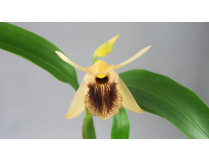
Coelogyne ovalis
- flower season: summer - autumn
- temperature: cool - moderate (12 - 18 °C)
- Mehr Details
Price*:
€19.90
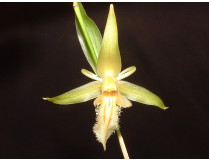
Coelogyne pallens
- flower season: winter - spring
- temperature: moderate - warm (18 - 22 °C)
- Mehr Details
Price*:
€27.90
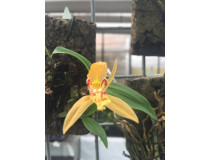
Coelogyne schilleriana
- flower season: spring
- temperature: warm (20 - 24 °C
- Mehr Details
Price*:
€29.90
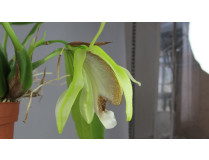
Coelogyne speciosa
- flower season: autumn
- temperature: cool - moderate (12 - 18 °C)
- Mehr Details
Price*:
€29.90
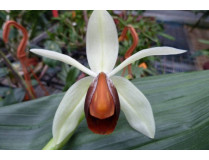
Coelogyne usitana
- flower season: spring - summer
- temperature: moderate - warm (18 - 22 °C)
- Mehr Details
Price*:
€26.90

Coelogyne usitana x merillii
- flower season: spring - summer
- temperature: moderate - warm (18 - 22 °C)
- Mehr Details
Price*:
€29.90
 ... to newsletter subscription
 ... to see all economy sets
Orchideen-Zentrum Wichmann e.K.
Orchideen-Gartencenter
Tannholzweg 1 - 3
29229 Celle - OT Groß Hehlen
info@orchideen-wichmann.de
| Mon | closed |
| Tue - Fri | 10 am - 5.pm |
| Sat | 10 am - 2 pm |
| So. | 10 am - 12 pm |
Free tour every first Sunday of the month at 10:00 am

News
Our Warranty
 |
 |
 |
 |